Clinical Services

A structured pathway from fear toward recovery.

Assessment, education, treatment, physical rehabilitation, and couple support are coordinated around the patient’s needs and clinical findings.

Vagilax clinical treatment pathway

Integrated Care

Physical and psychological barriers are addressed together.

The exact sequence and number of sessions depend on assessment, severity, tolerance, and progress.

Couple education

Fear-breaking, anatomical education, and pressure-free communication for both partners.

Patient-controlled assessment

Transparent evaluation of the involuntary pelvic-floor response with consent at every stage.

BTXA pathway

Clinician-selected intervention options based on individual eligibility and severity.

Progressive dilation

Guided progression only after comfort and control are established at the current stage.

Pelvic-floor rehabilitation

Structured muscle-awareness, relaxation, strengthening, and optional biofeedback support.

Private follow-up

Ongoing clinic, call, WhatsApp, and video support according to the care plan.

Sessions 1–2

Education first. Assessment only with understanding and consent.

The first conversation helps both partners understand the pain–fear–spasm cycle and removes blame. A later physical assessment is explained before it begins, adapted to tolerance, and can be stopped by the patient at any time.

Clinical grading and treatment decisions must always come from an individualized consultation rather than online content.

Private Vagilax consultation planning
Clinical preparation for a Vagilax treatment pathway

Targeted BTXA treatment pathways

When clinically appropriate, Botulinum Toxin A may be used to temporarily reduce involuntary muscle spasm and create a window for progressive rehabilitation.

Local- and general-anesthetic pathways are considered according to severity, distress, eligibility, and clinician assessment.

Discuss Eligibility

Pelvic Floor Rehabilitation & Kegel Isolation

Following Botox intervention, progressive physical therapy and biofeedback guidance help retrain pelvic floor muscle memory. Patients learn to isolate fast-twitch fibers for sudden pressure control and slow-twitch fibers for long-term structural pelvic support.
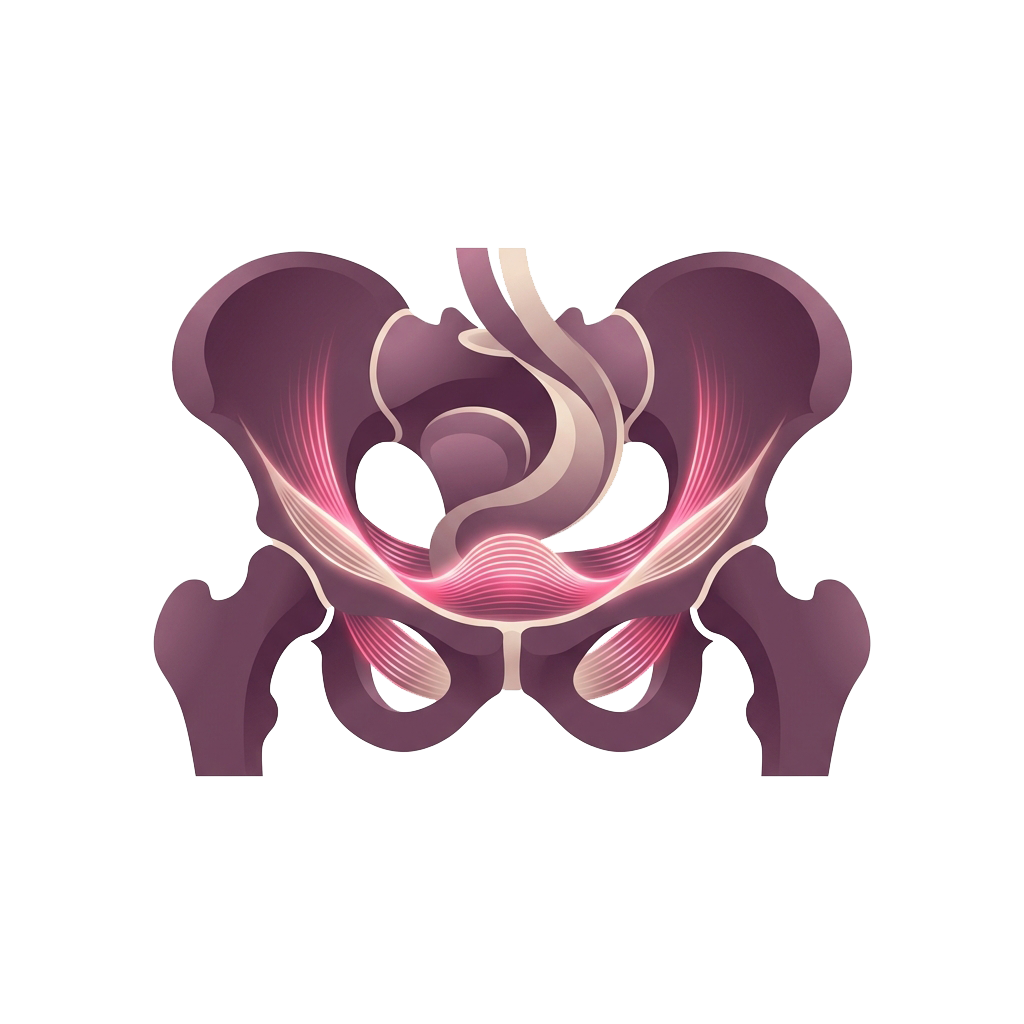
Pelvic floor muscle rehabilitation and Kegel isolation diagram

An Individualized Recovery Journey

The pathway is progressive rather than rushed; steps and timing are adjusted to clinical need and patient comfort.

1
Couple consultation
2
Consent-led assessment
3
Treatment planning
4
BTXA when indicated
5
Guided rehabilitation
6
Progressive dilation
7
Home-practice support
8
Follow-up and confidence

Treatment Questions

Important questions to discuss with the clinical team.

These answers are educational and cannot determine eligibility or replace an examination.

Is every patient treated with BTXA?

Eligibility

No. Treatment is selected only after a clinical assessment of symptoms, severity, medical history, distress, and individual goals.
Can I stop an assessment?

Assessment

Yes. Patient autonomy and consent remain essential throughout assessment and treatment.
How many sessions will I need?

Planning

The number and timing of sessions vary. The clinic will explain a personalized plan after assessment and adjust it according to progress.
Why is rehabilitation included?

Rehabilitation

Progressive rehabilitation helps patients build awareness, comfort, control, and confidence rather than relying on a single intervention.
Schedule Clinic Appointment
Vagilax Clinic Logo

Opening Hours

Your pathway should be explained, private, and personal.

Request a consultation to discuss symptoms, concerns, and the safest next step for you and your partner.

Book Consultation