No blame or judgement
Vaginismus is framed as an involuntary medical condition—not a personal or moral failure.
About Vagilax
A specialised Egyptian clinic supporting women and couples through vaginismus and unconsummated marriage with privacy, clinical clarity, and patient-controlled care.
Our Origin
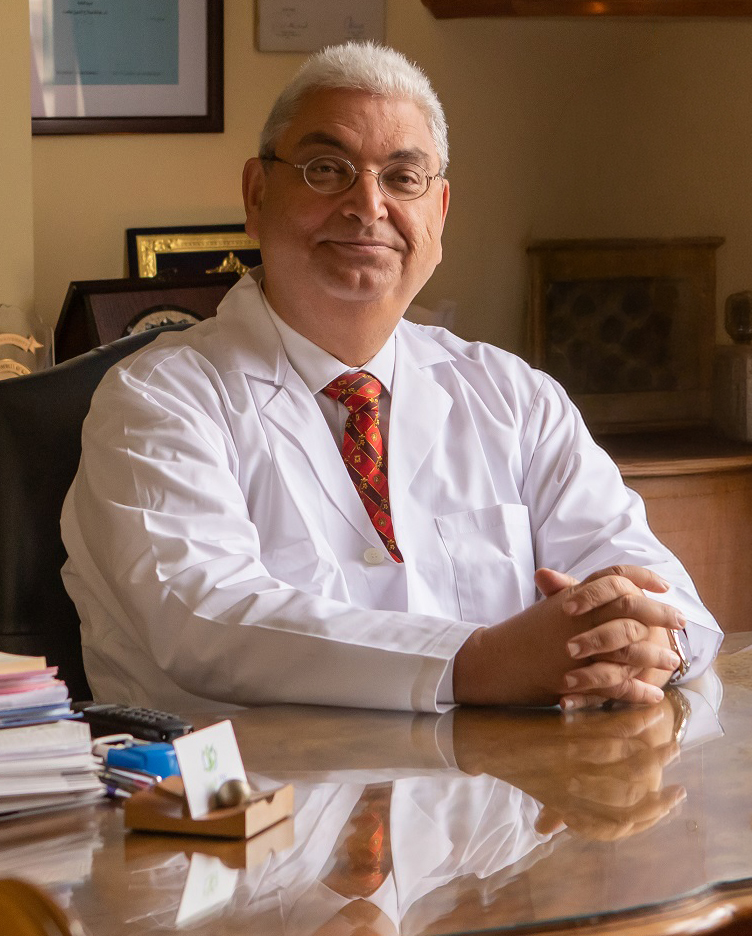
Vagilax began after Prof. Dr. Abdulmagid Ramzy encountered a medically educated newlywed who was experiencing profound fear, pain, and an unconsummated marriage without a clear pathway to care. Her experience exposed how stigma and limited anatomical education can isolate even highly informed patients.
The clinic was developed to replace blame and silence with a structured, respectful approach that treats vaginismus as an involuntary neuromuscular condition and includes both partners in recovery.
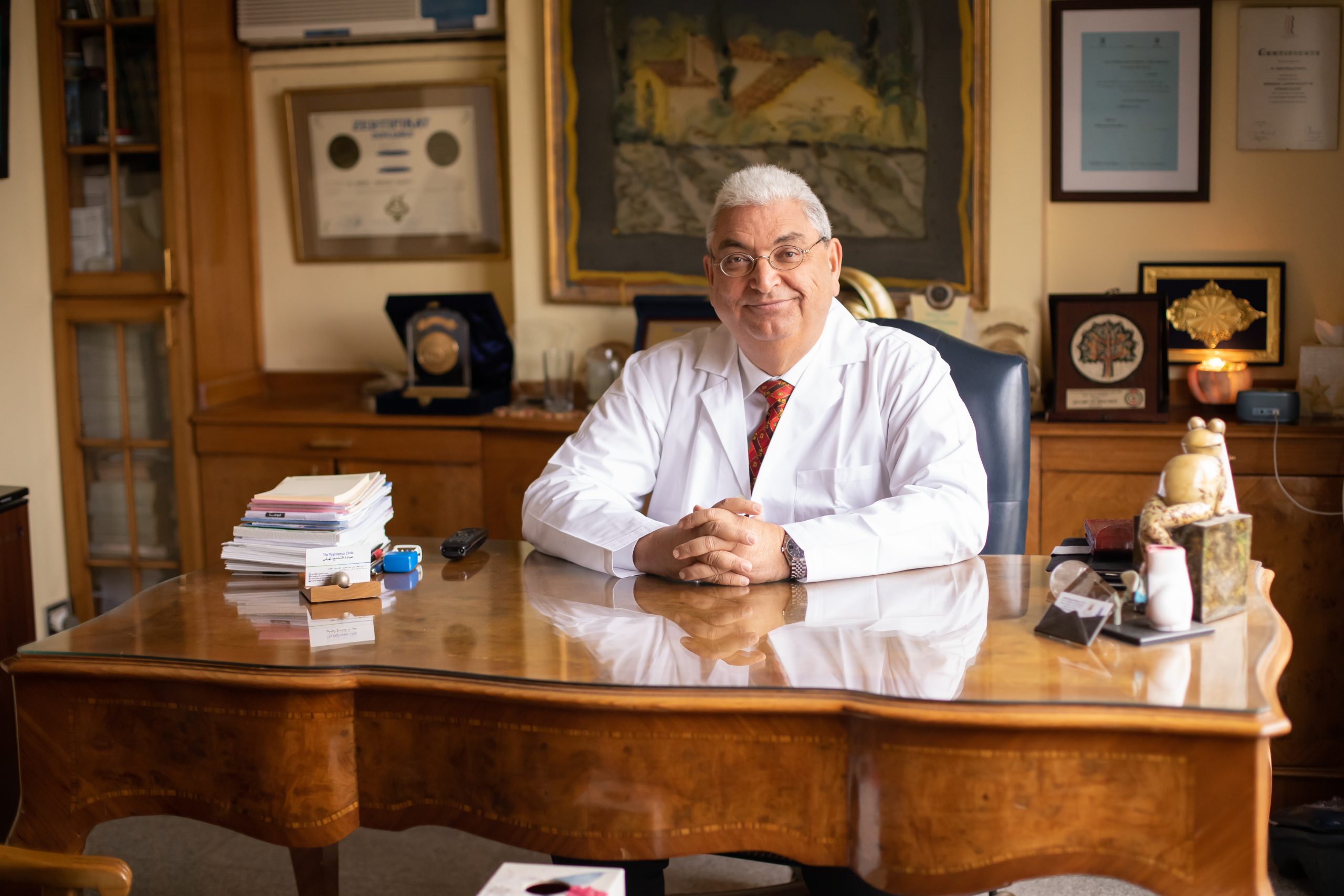
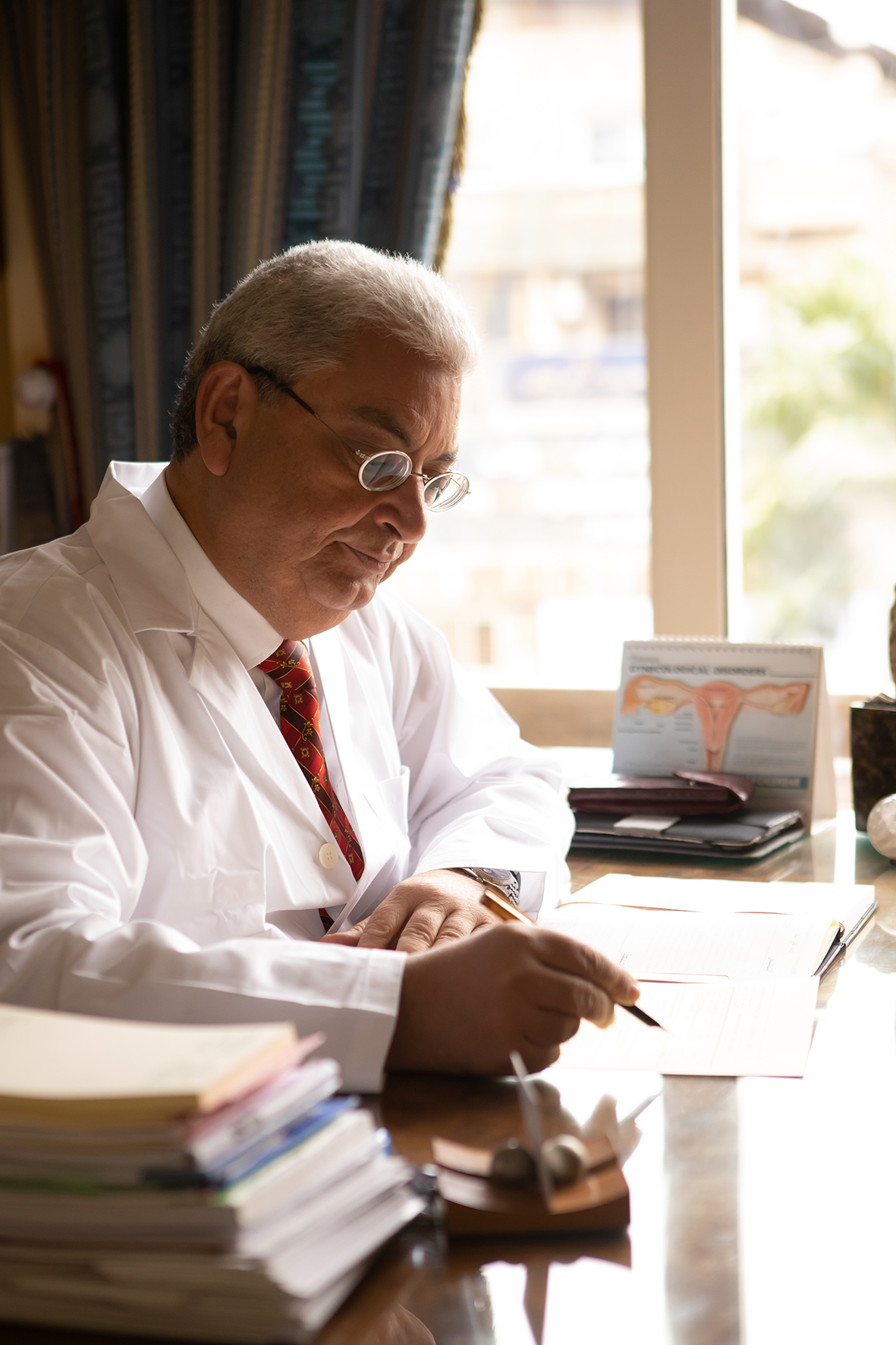
Vagilax is the first and only specialised centre of its kind in Egypt and the Middle East. Led by Prof. Dr. Abdulmagid Ramzy, Founding Board Member of the Egyptian Society of Sexual Medicine, Kasr Al-Aini IVF Centre, Cairo University, and former Head of Obstetrics and Gynaecology at Cairo University, our clinic combines clinical authority with trauma-informed, patient-controlled care.